
Interior designing is more than arranging furniture or choosing the right color palette—it is the art of transforming a space into a living story. It merges creativity with functionality, infusing life into empty rooms and giving personality to spaces where we live, work, and play.
At its core, interior designing is about enhancing the interior of a space to achieve a more aesthetically pleasing and healthy environment. It involves a deep understanding of architecture, human psychology, lighting, materials, and spatial arrangements.
From cozy homes and chic apartments to luxurious offices and boutique cafes, interior designers are the storytellers who use space, texture, and light as their language.
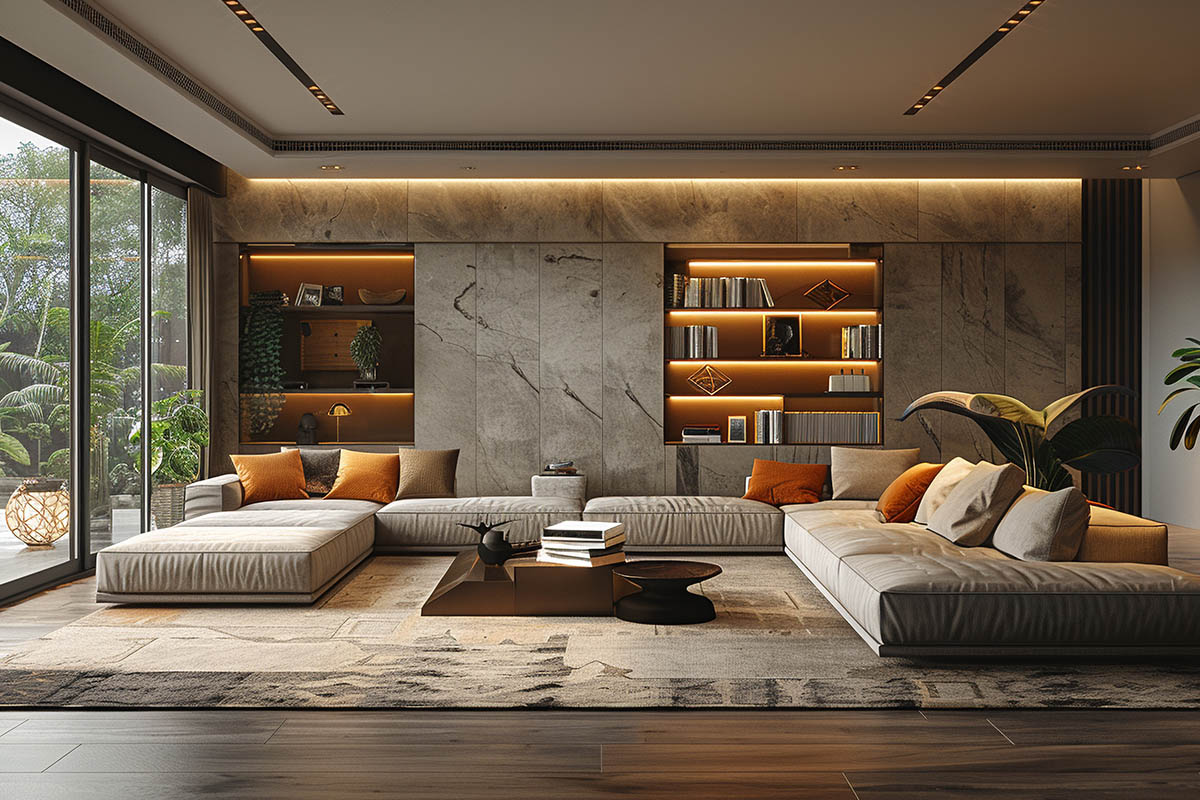
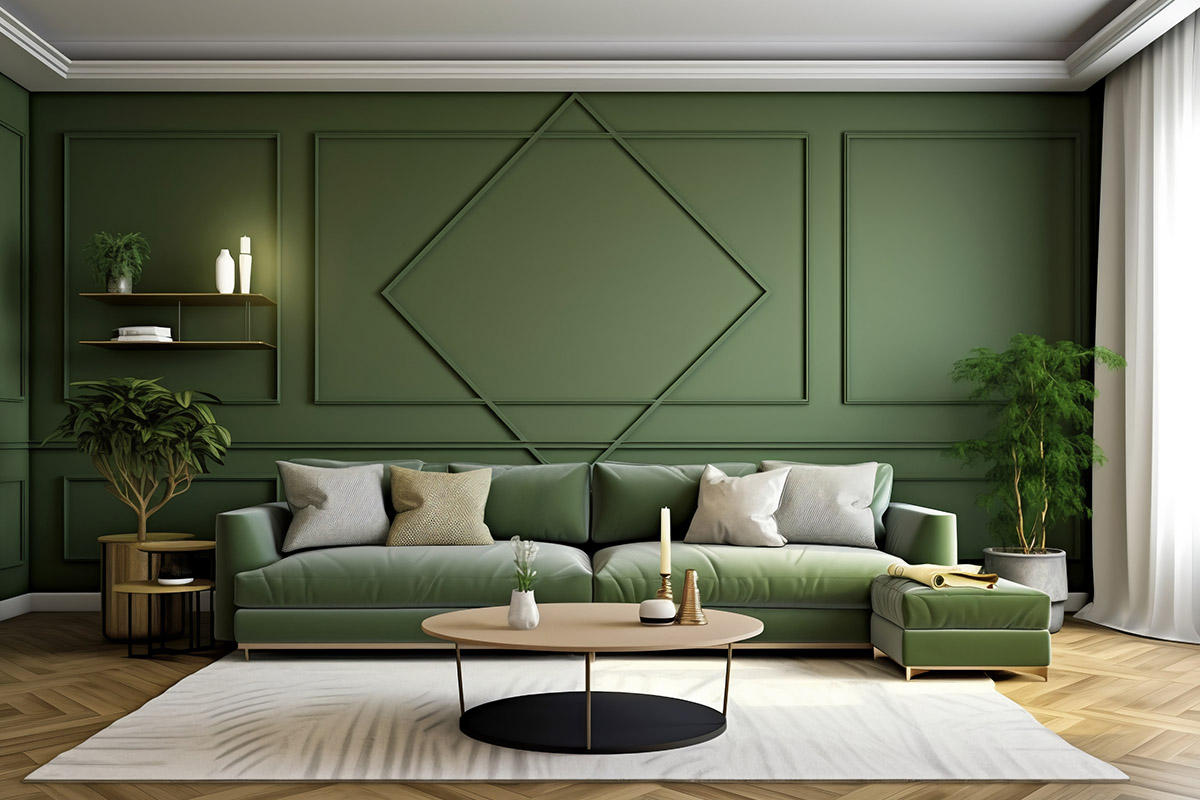
In today’s fast-paced construction and design landscape, clients are seeking efficiency, reliability, and simplicity. Turnkey contracting answers that call by offering a single-point solution—from concept to completion. It’s not just a contract; it’s a promise to deliver a project ready to use, with minimal stress and maximum value.
A turnkey contract is a project delivery method where the contractor takes full responsibility for the entire scope of work: design, procurement, construction, installation, and handover. When the keys are handed over, the client receives a fully functional, operational space—ready for immediate use.
Think of it as a “one-stop-shop” for your project. You define the vision, and the contractor handles the rest.
Every great structure, space, or product begins with a powerful idea—but it takes precise design and planning to bring that idea to life. It’s the phase where creativity meets calculation, where imagination finds structure, and where your vision begins to take form on paper, in pixels, or in 3D models—long before the first brick is laid.
Design and Planning is the strategic phase in any construction, architecture, or interior project that determines how a space will look, feel, and function. It’s not just about aesthetic choices—it’s about understanding human behavior, spatial dynamics, regulatory codes, and environmental factors to create purposeful, sustainable, and user-centric spaces.
This process encompasses everything from conceptual sketches and feasibility studies to detailed technical drawings, material selection, budgeting, and scheduling.
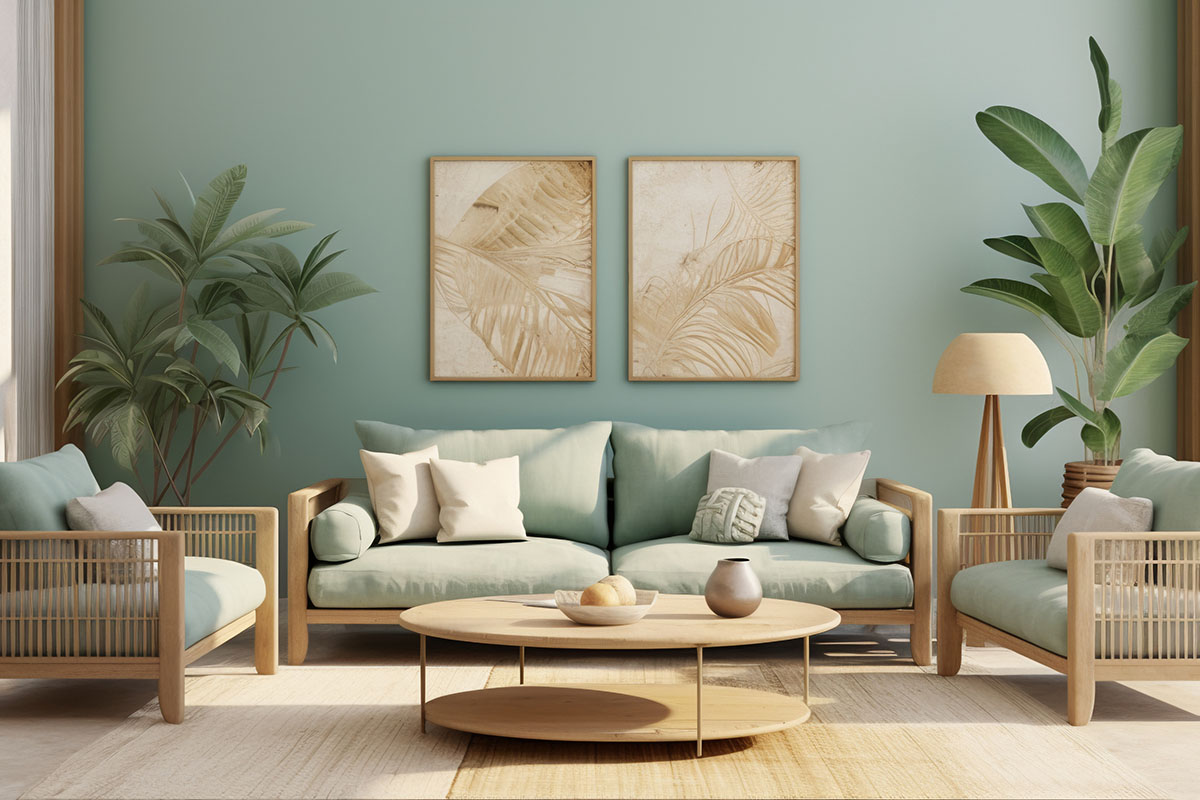
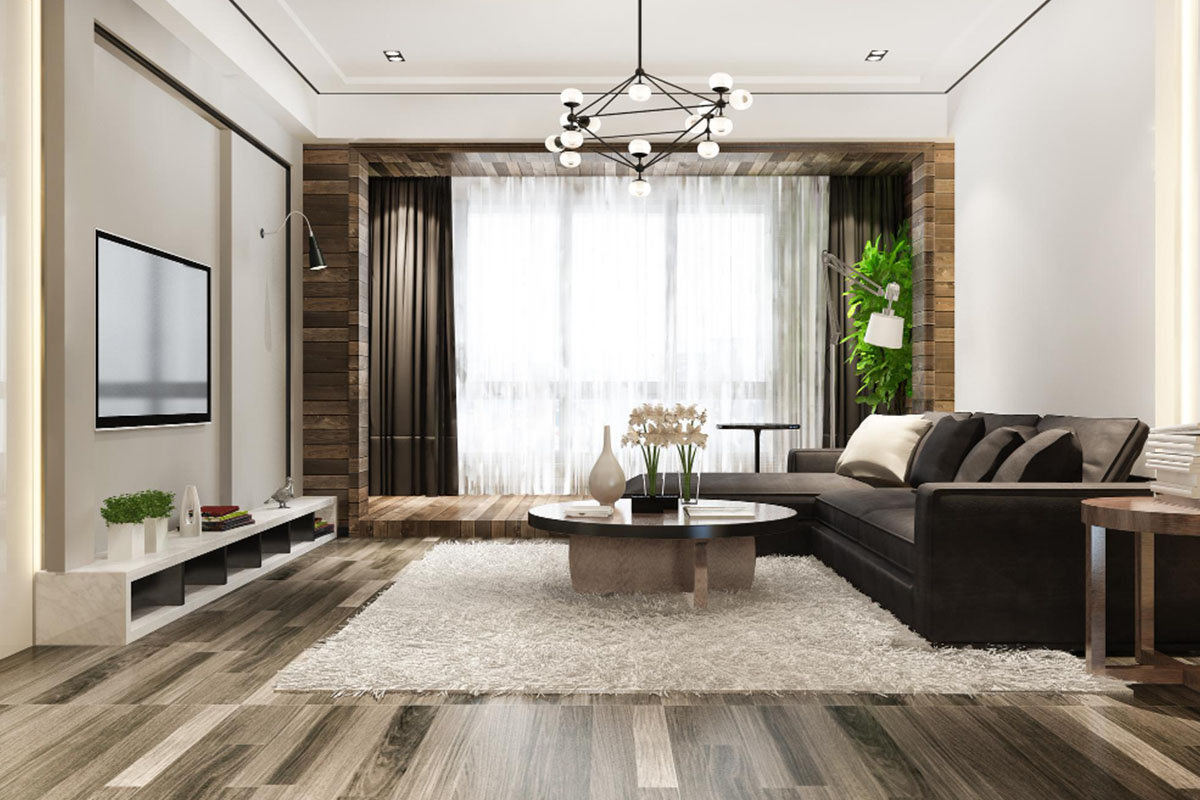
Designs inspire, plans guide, but execution
builds.
Project Execution is the heartbeat of any successful project—it’s where strategy
meets action, and vision becomes reality. It involves orchestrating people, processes,
materials, and timelines to ensure everything aligns with the approved plan, on schedule and
within budget.
This is not just about building—it’s about building with precision, purpose, and
accountability.
Project execution is the phase in which all planning, design, procurement, and logistics come together. It includes actual construction, installation, and coordination efforts to deliver a completed project—whether it’s a building, interior fit-out, or infrastructure development.
This phase is where leadership, communication, quality control, and time management are tested to their fullest.